
Yotam Ottolenghi on Restraint and Cooking for Pleasure
Photography by Instagram + Supplied.
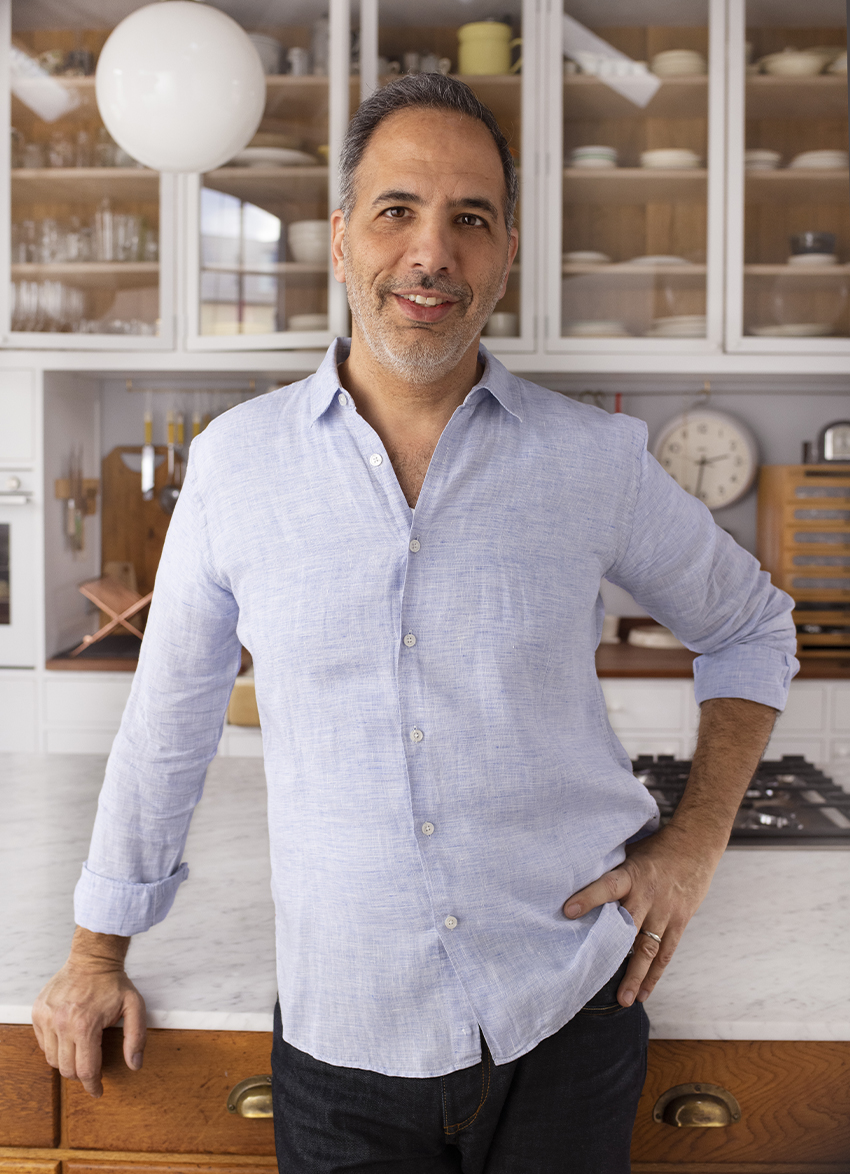
Ottolenghi joins dish via video call from his London home ahead of his new tour. He talks candidly about food as a shared language, changing rhythm in the kitchen, and why pleasure continues to guide his cooking style.
This is an excerpt from Phoebe’s interview with Yotam Ottolenghi. The full conversation will be published in Dish Issue 126, out March 2026.
Your signature style exploded globally and resonates with millions. Why do you think your approach to cooking has been so successful?
Well, it’s a bunch of things. My food features vegetables very heavily, and cooking vegetables takes more work, but it’s actually quite easy once you’ve mastered it. People are really keen on embracing more vegetables and legumes. I think that’s one of the reasons.
The key ingredients — Middle Eastern and other ingredients I’ve adopted from all sorts of parts of the world — are big-flavoured and beautiful to look at.
This combination of vegetable-heavy, big, generous flavours, and that sense that you’re showcasing your food as you present it on the table, I think those are some of the reasons the food resonated. It’s both delicious and quite easy. Not easy in the sense that the recipes are simple by definition, but they’re very approachable.
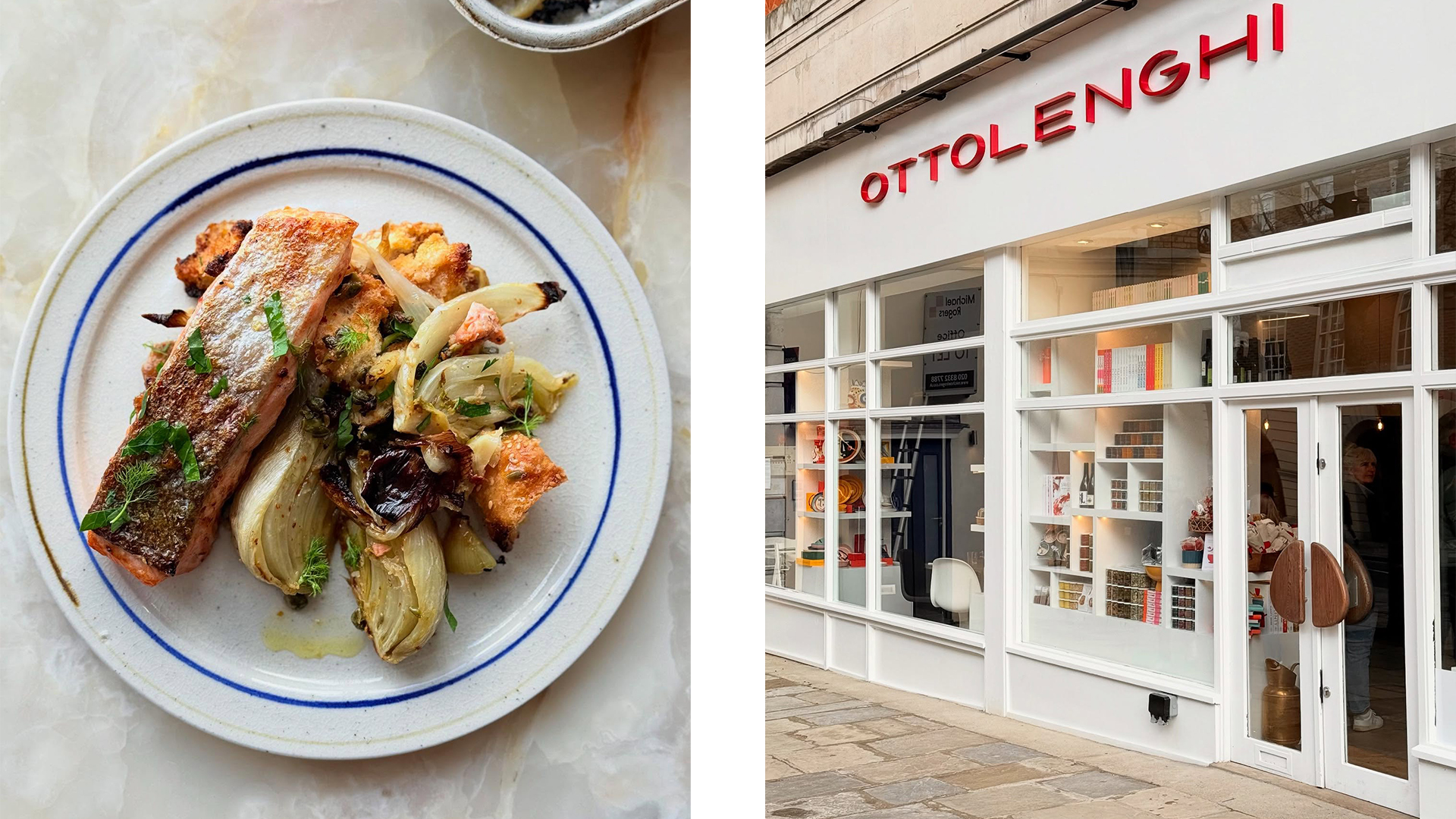
You often say “simplicity first”, but your food is also about layers and contrasts. How do you balance the two?
That’s always difficult, and I often have this conversation with my colleagues. I used to be the kind of person who would throw lots of things into every dish, and when I look at my older books, I think, “Oh, gosh, I could have done with a bit less”.
I think it’s an age thing – an attitude thing as well. Now I’m the one with restraint. I always talk to younger chefs who’ve worked with me and say, actually, you need to hold back, because you can appreciate the food sometimes more if you put less into it.
Hero the key ingredient — let it speak for itself?
It’s on a case-by-case basis. You want to create layers; you want to make sure you’ve got things that all come together into what I call an enjoyable and interesting experience. You want the textural element, you want contrasting colours, and you want it balanced in various ways. But there isn’t really one-size-fits-all. Every time you make a call — sometimes you go for something quiet and not so noisy, and other times you throw more at it. It depends on your mood and what you feel like, you know?
My last book was Comfort, and comfort food often is a bit quieter — there’s less of it. We have, for example, these chicken meatballs that are braised and cooked in a soup with potatoes, celery, and lemon. It’s not a shouty dish, but it still gives you those spices and those lemony flavours.
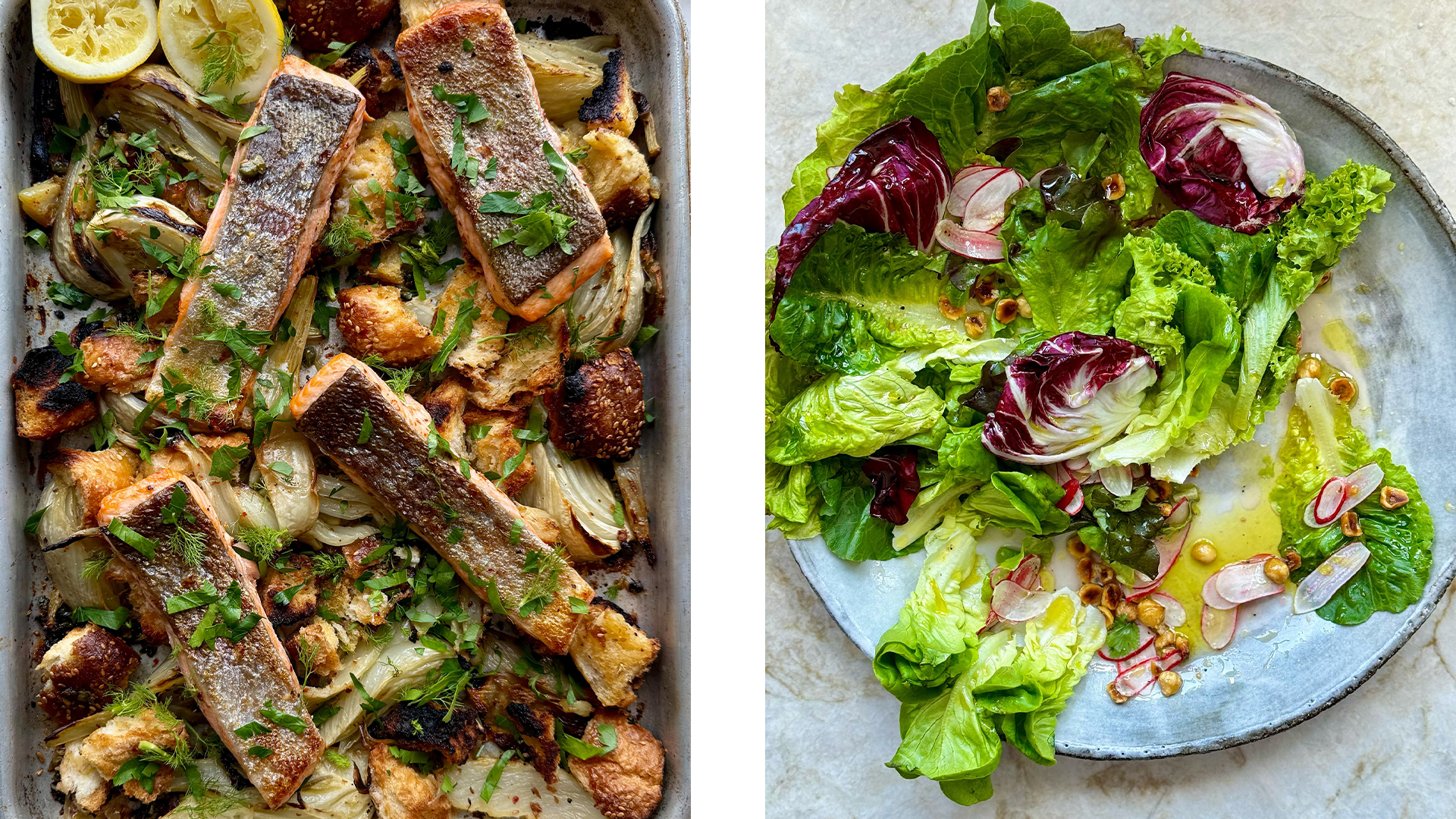
Your food also celebrates abundance. I know you work with eggplant a lot. What’s another ingredient or flavour combination that’s exciting you?
There’s always something! I’m in London, and we’re entering winter, so I’m very focused on cabbages. Summer produce — the courgettes and eggplants — those vegetables are mostly gone, and the brassicas are coming into their own. At the moment, I’m all about roasting cabbages.
Cabbage is having a moment here too, roasting cabbage with miso or nutty elements in particular.
They were always good, but I think they were often overcooked, and people didn’t quite understand what to do with them. Recently I was roasting some hispi, or sweetheart, cabbage — they’re very easy to work with because they’re not as dense. When you roast them, the edges of the cabbage separate and burn slightly, and then the inside stays moist and delicious. I made that the other day — it was a very simple dish with a kind of pine nut vinaigrette that went on top. Super easy. People tend to realise that the simplest ways are actually the most delicious.
Our foremothers and forefathers used to slowly cook those brassicas in a pan, and actually, it doesn’t always work best. I’m all for slow-cooking cabbages and delicious slow-cooked cabbage dishes, especially when it gets colder. I do like that, but there’s something about roasting that brings out a different quality — not that sulphurous quality, but a fresh one. When you roast them and add layers of acidity or, like you said, umami through something like miso, it really lifts those vegetables, and suddenly they become something much more complex.
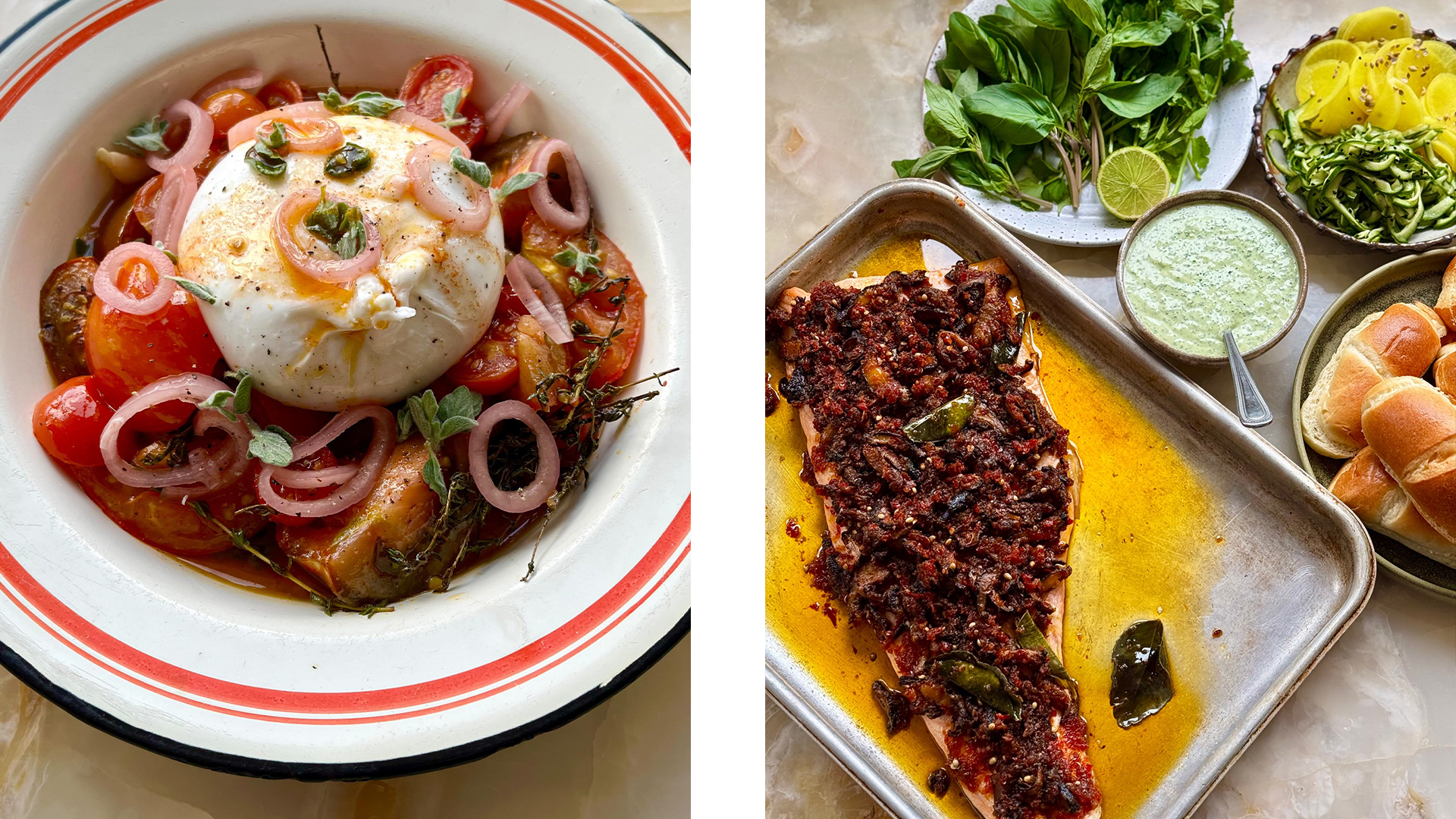
Born in Jerusalem and trained at Le Cordon Bleu, Ottolenghi began his career as a pastry chef before co-founding the first Ottolenghi deli in Notting Hill in 2002. His innovative approach introduced bold Middle Eastern and Mediterranean flavours to the London food scene. His bestselling cookbooks, including Plenty, Jerusalem, Simple and Comfort, have sold millions of copies globally, inspiring home cooks to embrace fresh and innovative cuisine.
In his 2026 show, Ottolenghi will blend live cooking, storytelling, and audience interaction in a warm, insightful stage event that explores the pleasures and pressures of feeding others. With warmth and wit, he encourages experimentation, celebrates imperfection, and emphasizes that cooking—at its best—is an act of love. Purchase tickets HERE
latest issue:
HOLIDAY 2
Our once-a-year special is packed with every recipe you need to make the most of the summer break. From baking and barbecues to fresh salads and sauces that make everything sing with flavour, HOLIDAY has you covered. We’ve even got great nibbles to enjoy with a drink while you dive into our annual puzzle section. This is an issue that sells its socks off, and it isn’t included in the dish subscription—so don’t delay. Get yours in store today and have your most delicious HOLIDAY yet.